Reserves and authority
Reserves set and maintained, and delegated authority enforced on every approval rather than checked afterwards.

Home / Our services / Accident management
FleetA fleet accident turns into a dozen phone calls — tow truck, repairer, hire car, insurer, the driver's manager. We take the whole sequence off your desk and run it to milestones, on one record you can see into at any time.
Everything else comes from your fleet file. However the claim arrives, it produces the same structured record.
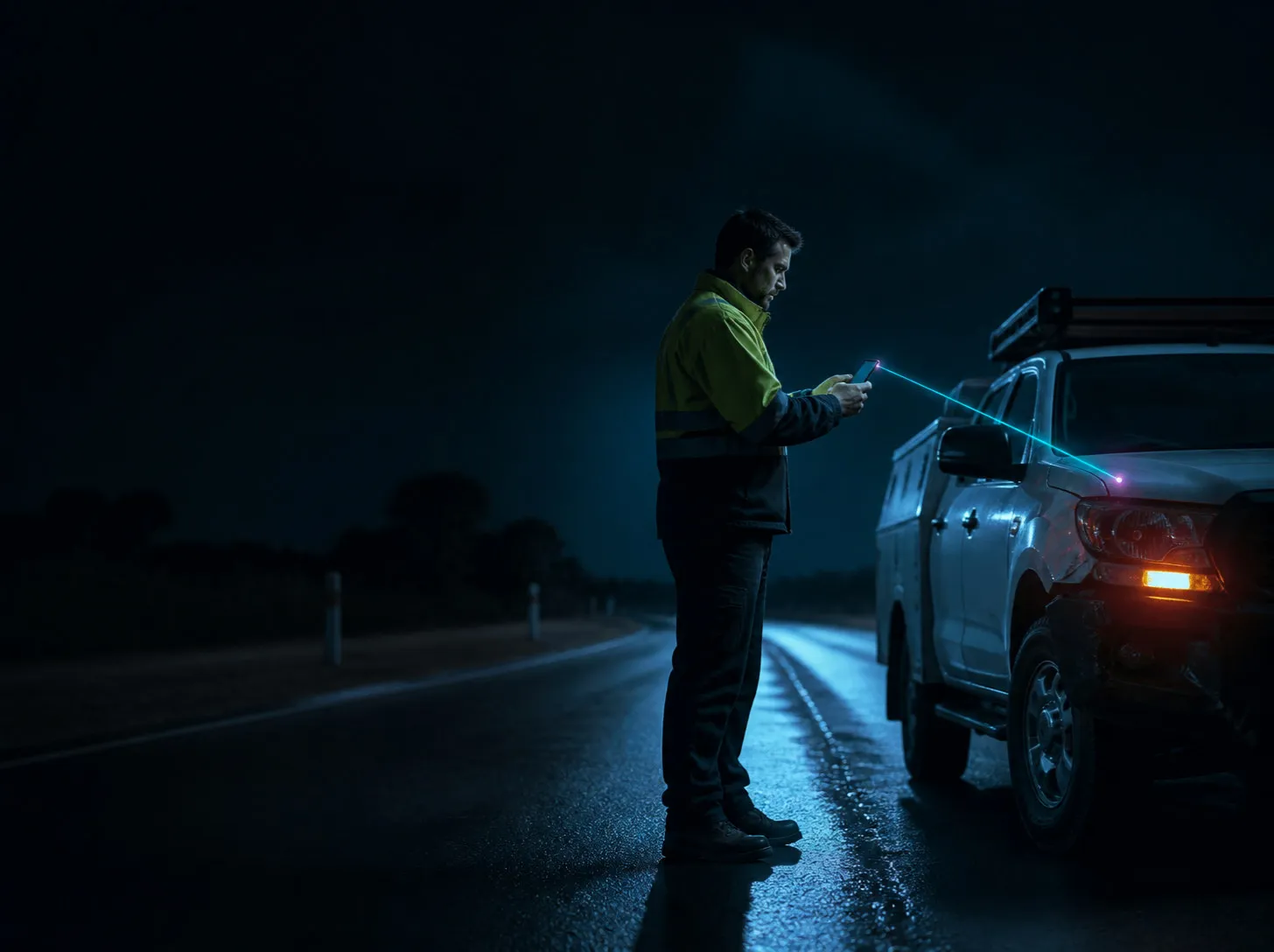
The driver lodges from the handset at the scene. No app, no login, and drafts save as they go so a bad signal does not cost them the form.
Our team lodges through the same structured form, so a phone call produces the same record as a digital lodgement — not a note someone has to re-key.
A forwarded email is read, classified and used to pre-populate the claim. A handler reviews and approves it before it is lodged.
Your systems — or your customer's — raise the claim directly, with a unique key on every lodgement.
Pathways, excess levels, authority limits and replacement-vehicle entitlement are configured per client — and per division or site within one. Settings, not code.
The decision to repair now or defer stays with the fleet manager. We present a costed recommendation with the evidence behind it, and they choose. Safety items are never a choice.
That single rule is where a surprising amount of leakage is usually found.
Reserves set and maintained, and delegated authority enforced on every approval rather than checked afterwards.
Invoices matched against the authorised amount, with spend tracked by category and GST handled correctly.
Earlier damage is identified and kept apart from the new incident, which limits supplements and opportunistic claims.
No. Lodgement is a web link, a QR code or an SMS, and photo capture runs in the phone's browser on iOS and Android. If the driver cannot take photos at the scene, a handler sends a scan link later and the claim keeps moving.
Yes. The service is modular — take the whole accident lifecycle or a single part of it, such as assessing or recoveries. It all runs on one claim record, so nothing is re-keyed when you add more later.
You do. We present a costed recommendation with the supporting evidence and the fleet manager chooses to repair now or defer. Safety-related items are not presented as a choice.
No. Human oversight is retained today: every damage result is checked by a desktop assessor and labour rates are still being calibrated. Straight-through processing follows only once accuracy is proven to your satisfaction, with quarterly audits after that.
Yes — heavy trucks, trailers, buses, plant and machinery, with repairers matched to the vehicle class. Downtime is where heavy fleet claims cost most, so those jobs are managed against turnaround benchmarks.
We will walk a real file through the workflow and show you where the time and the money currently go.